Lambeth Council Rules for Cleaning Waste and Disposal in SE11
If you live, work, rent, or manage property in SE11, knowing the Lambeth council rules for cleaning waste and disposal in SE11 saves time, avoids fines, and makes the whole clean-up process far less stressful. It sounds dry on paper, but in real life it is usually about very ordinary things: where to put bin bags after a deep clean, how to handle bulky items, what to do with renovation rubble, and how to keep shared spaces tidy without upsetting neighbours. The details matter, especially in a busy London area where missed collections, fly-tipping, or badly sorted waste can turn into a bigger headache than the mess itself.
This guide breaks the topic down in plain English. You will find the practical rules, the common traps, sensible best practice, and a simple step-by-step approach you can actually use. There is also a checklist, a comparison table, and a few real-world examples that reflect how waste and cleaning usually work on the ground in SE11. Let's get into it.
Why Lambeth council rules for cleaning waste and disposal in SE11 Matters
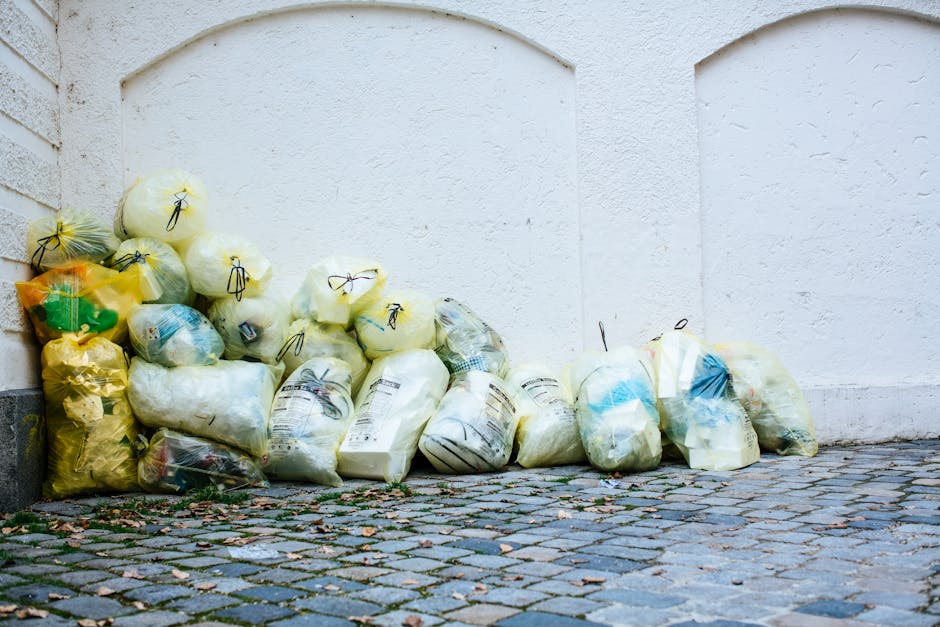
Waste rules are not just about keeping pavements looking neat. In SE11, where you have flats, conversions, terraces, commercial premises, and a fair amount of shared access, the way waste is handled affects safety, hygiene, and neighbour relations. A single pile of bagged waste left outside too long can attract vermin, block access, and create a very fast-moving complaint. Nobody wants that, especially after a big clean or move-out when you are already tired.
The council rules matter because they give structure to what can otherwise become a guessing game. What counts as household waste? Where do bulky items go? Can cleaning waste be left with the general rubbish? What about broken furniture, wet carpets, old curtains, or a kettle full of limescale sludge from a deep clean? The answer depends on the waste type and how it is presented.
There is also the practical side. Following the correct disposal route usually means fewer surprises, less risk of items being rejected, and a smoother handover at the end of a tenancy or refurbishment. If you are managing a property in Kennington or nearby, that predictability is worth a lot. To be fair, waste issues are one of those things people only think about after something goes wrong.
Expert summary: The safest approach in SE11 is to separate waste early, keep recyclables clean, present bags and containers properly, and treat anything bulky, hazardous, or construction-related as a separate category rather than "just rubbish."
How Lambeth council rules for cleaning waste and disposal in SE11 Works
The basic idea is simple: different types of waste should be kept apart, stored neatly, and disposed of through the correct channel. In practice, that usually means setting aside general household waste, recycling, food waste where applicable, and any special items such as bulky waste, electricals, garden waste, or construction debris. If waste is mixed up, it can be harder to collect and more likely to be left behind.
For a typical SE11 property, the process starts before the actual clean. You decide what is staying, what can be reused, what can be recycled, and what must be removed. Once you have sorted those groups, disposal becomes much easier. A cleaner, tenant, landlord, or facilities manager can then place items in the right bins, sacks, or collection area without creating extra work for the next person in the chain.
In communal blocks, the rules become more important because one household's shortcut becomes everyone else's problem. Shared bin stores get overwhelmed quickly if bags are loose, unlabelled, or left outside the correct container. You can almost hear the frustration building on collection day. It is a small thing until it isn't.
For more complex jobs, such as post-builder cleaning or end-of-tenancy clear-outs, it helps to think in layers. Surface waste goes one way, reusable items go another, and anything potentially regulated gets checked separately. If your clean involves a lot of waste or heavy items, services like house clearance or end of tenancy cleaning can be useful because they reduce the chance of mixing waste categories in a way that causes problems later.
What usually counts as cleaning waste?
Cleaning waste is often broader than people expect. It may include black bin bags full of household waste, packaging, broken small items, used cloths and disposable materials, dust and debris from a deep clean, old food containers, and items removed from behind furniture or appliances. If a property has been neglected, the waste can be a messy mix of general rubbish and recyclable material, which is exactly why sorting matters.
Some items are not really "cleaning waste" at all. A mattress, sofa, fridge, damaged carpet, or dismantled wardrobe is normally a bulky item rather than day-to-day rubbish. That distinction matters because bulky items often need separate collection or specialist disposal. In many cases, using a targeted service such as mattress cleaning, sofa cleaning, or carpet cleaning may allow an item to be restored rather than thrown away. Not always, but often enough to be worth checking.
Why SE11 properties need a slightly more careful approach
SE11 has the mix you often see in inner London: compact homes, flats above shops, multi-occupancy buildings, and properties with limited bin storage. That means waste has less room for error. A bag left in the wrong place can block a shared entrance. A broken box shoved into a communal bin can stop the lid from closing. A pile of after-builders waste can make an otherwise tidy property feel neglected within minutes.
Cleaning teams working in the area usually have to plan waste removal around access times, bin store rules, and neighbours' routines. In a block with narrow corridors, for example, moving waste in multiple trips is better than dragging everything out at once. It may take a few minutes longer, but it avoids spills, noise, and awkward conversations in the hallway. And let's face it, nobody wants to be that person.
Key Benefits and Practical Advantages
Following the council's expectations for waste handling brings benefits that go beyond simple compliance. The most obvious one is cleanliness, but there are several others that matter in daily life.
- Reduced risk of complaints: Well-presented waste is less likely to upset neighbours or building managers.
- Better hygiene: Sorting rubbish correctly helps reduce odour, damp staining, and pest issues.
- Smoother collections: Clear waste presentation means fewer missed or rejected items.
- Less damage to property: When waste is moved carefully, there is less chance of scratching floors, walls, or lifts.
- More efficient cleaning: A structured disposal plan saves time and avoids double handling.
- Better tenant or landlord outcomes: Properties look more professional at check-out, inspection, or handover.
There is also a psychological benefit, oddly enough. Once waste is sorted and removed properly, a place feels lighter. The room sounds different. The air does too. That may sound a bit dramatic, but anyone who has cleared a cluttered flat at the end of a tenancy knows exactly what I mean.
If you are planning a broader reset of the property, combining waste removal with a proper deep cleaning or domestic cleaning visit can make the result last longer, because dirt is not simply being wiped around the space.
Who This Is For and When It Makes Sense
This topic matters to quite a few people, not just landlords or professional cleaners.
- Tenants leaving a flat and needing to avoid charges for rubbish left behind.
- Landlords and letting agents who want a property ready for inspection or new occupancy.
- Homeowners doing a post-renovation tidy-up or spring clean.
- Business owners handling office waste, packaging, or regular cleaning residue.
- Facilities managers responsible for shared bins, bin stores, and communal waste areas.
- Cleaning contractors who need to work safely and avoid cross-contaminating waste streams.
It makes sense to think about the rules any time the job is larger than routine bin day. For example: after moving out, after a builder has left dust and offcuts, after a big clear-out before guests arrive, or after a long period where waste has piled up in a storage cupboard. If you are dealing with a one-off situation rather than your usual weekly rubbish, the rules suddenly matter a lot more.
Businesses in SE11 often have a slightly different set of pressures. Office cleaning and commercial cleaning usually generate packaging, paper, food waste from staff kitchens, and the occasional broken chair or printer that has seen better days. In those cases, a sensible disposal routine is just part of keeping the place operational. It is not glamorous, obviously, but it works.
Step-by-Step Guidance
If you want a simple way to stay on the right side of Lambeth's waste expectations, use this sequence. It keeps things manageable and avoids that end-of-project panic when everything is suddenly in the hallway.
- Identify the waste type. Separate general waste, recycling, food waste, bulky items, and anything potentially hazardous or specialist.
- Remove reusable items first. If something can be donated, repaired, or kept, deal with that before you bin anything.
- Bag general waste securely. Use sturdy bags and avoid overfilling them. Split heavy waste into smaller loads if needed.
- Keep recyclables clean and dry. Food contamination can make recycling less useful, so rinse where appropriate.
- Check bulky items separately. Sofas, mattresses, furniture, and appliances often need distinct handling.
- Plan access and storage. Work out where waste will be kept until collection without blocking paths or shared doors.
- Move waste out in a controlled way. Use trolleys or smaller loads if the building layout makes sense for that.
- Inspect the final area. Look for hidden debris behind furniture, under units, or around bin stores.
A practical tip: if you are cleaning a flat in the evening, do not leave every bag outside "for tomorrow." In many buildings that turns a tidy finish into a mess overnight. Better to stage the bags properly inside, then take them out at the right time. Small detail. Big difference.
For move-related jobs, pairing this approach with move-out cleaning or move-in cleaning helps keep the handover sequence smoother, especially where time is tight.
Expert Tips for Better Results
Here are the little things that make a big difference in the real world.
- Work from top to bottom. Clear dust and debris from shelves, ledges, and worktops before tackling floors and bin areas.
- Keep one "unknowns" box. If you find items you are not sure about, place them aside and assess them separately rather than guessing.
- Use colour or label cues. Even a simple handwritten note on a sack stack can prevent recycling from mixing with general waste.
- Don't compress mixed waste too tightly. It becomes harder to separate later and more awkward to carry.
- Protect shared routes. In a flat block, lay dust sheets or use closed containers if you must pass through communal hallways.
- Check odour sources early. Food waste, damp cloths, and wet rugs can make a property feel worse than it looks.
If waste comes from a cleaning job involving fabrics, carpets, or upholstery, it is often worth inspecting whether the item actually needs disposal at all. A stained rug may be salvageable with rug cleaning, and a sofa with deep marks might respond well to upholstery cleaning or stain removal. That is one of those judgement calls where experience helps.
A slightly nerdy but useful habit: photograph the waste state before and after. It is not about being theatrical. It is about evidence, clarity, and avoiding arguments later. Handy for landlords, agents, and anyone who has ever had to prove the place was left in a certain condition.
Common Mistakes to Avoid
The mistakes are usually simple, which is why they happen so often.
- Mixing all waste together. Once recycling and general rubbish are mixed, the whole load becomes harder to manage.
- Overfilling bags. Heavy bags split, tear, or become unsafe to carry down stairs.
- Leaving waste in shared areas. This is one of the fastest ways to cause issues in SE11 blocks and conversions.
- Assuming everything can go in one collection. Bulky items and special waste often need separate handling.
- Ignoring hidden waste. Behind appliances, under beds, and inside cupboards is where problems quietly hide.
- Forgetting about odour and residue. Even when rubbish is gone, a sticky patch or leak mark can keep a room feeling unclean.
The least dramatic-looking mistake is often the one that causes the biggest issue. A single wet cleaning cloth thrown into the wrong bag can create smell, mess, and a bit of unnecessary frustration. Not the end of the world, but still annoying.
Tools, Resources and Recommendations
You do not need a huge kit to handle waste properly. A few sensible tools go a long way.
- Strong refuse sacks and recycling bags
- Dustpan and brush for final debris checks
- Microfibre cloths for residue and wipe-downs
- Gloves for sorting sharp or unsanitary items
- A sturdy trolley or sack truck for bulky moves
- Labels or tape for separating waste groups
- Seal-able containers for liquids or damp materials
For property owners or managers who want a more hands-off approach, it is worth looking at services that combine cleaning and disposal planning. A company with clear policies around recycling and sustainability, plus documented health and safety procedures, is usually easier to trust around waste-heavy jobs. That kind of support matters if you are dealing with heavy bags, awkward access, or shared corridors.
One more thing: check your building's own rules as well as the council's expectations. Leasehold blocks, managed estates, and HMOs can have extra restrictions on where waste is stored or when it can be removed. The council is only one part of the picture.
Law, Compliance, Standards, or Best Practice
Without turning this into a legal lecture, there are a few principles worth keeping in mind. In the UK, waste should be stored, carried, and disposed of in a way that does not create a nuisance, a health hazard, or an environmental problem. That is the broad idea behind most local waste rules and best practice expectations.
For day-to-day household waste in SE11, that usually means using the correct containers, presenting them at the right time, and not blocking access. For larger jobs, the duty becomes a bit more involved. If you are handling bulky waste, renovation debris, electrical items, or anything that could leak, puncture, or contaminate other waste, it should be treated separately. That is the sensible baseline, and in many situations it is the safest approach too.
Cleaning businesses should also think about safety and traceability. Waste handling is not just "throw it out." It is part of a workplace process. Good firms have a clear insurance and safety framework, defined procedures for cleaning materials, and simple rules for staff when a load looks questionable. It is boring in the best possible way.
Best practice also includes protecting people. Gloves for contaminated waste, care around broken glass, and sensible handling of heavy bags are all part of safe practice. If you are not sure about a particular item, do not improvise wildly. Pause, separate it, and deal with it properly. That little pause can save a lot of trouble.
Options, Methods, or Comparison Table
Not every waste job should be handled the same way. Here is a simple comparison that may help you decide the right route.
| Waste type | Typical approach | Best use case | Notes |
|---|---|---|---|
| General household waste | Bag and present in the usual bin system | Routine cleaning, move-outs, weekly clear-downs | Keep bags secure and avoid overfilling |
| Recycling | Sort clean, dry materials separately | Cardboard, bottles, tins, clean packaging | Contamination can cause rejection |
| Bulky items | Separate collection or specialist removal | Furniture, mattresses, large appliances | May need advance planning |
| Wet or odorous waste | Contain securely and remove quickly | Food waste, soaked cloths, damaged soft furnishings | Odour control matters a lot here |
| After-builders debris | Segregate from domestic waste | Dust, rubble, plaster, offcuts | Often needs dedicated handling |
In practice, the best method is the one that fits the waste volume, access conditions, and property type. A small flat on a quiet street is not the same as a busy office or a shared block entrance. Obvious, yes, but people forget it when they are in a rush.
Case Study or Real-World Example
A useful example: a two-bedroom SE11 flat is being prepared for a tenancy changeover. The outgoing tenant has packed most of their belongings, but there is still a pile of old packaging, a damaged chair, a stained rug, and several bin bags of general waste. The temptation is to put everything in the communal bin store and hope for the best. That usually ends badly.
Instead, the cleaner or property manager sorts the contents into four groups. General waste goes into secure sacks. Cardboard and clean packaging are flattened for recycling. The chair is checked for reuse or separate disposal. The rug is assessed and, because it is only lightly soiled, it is tested for recovery with steam carpet cleaning rather than being thrown out. The final room clean is then completed with a careful wipe-down, floor finish, and a check behind the sofa and under the bed.
The result is simple: fewer wasted items, a tidier bin area, and a cleaner handover. No drama, no pile of bags in the hallway, and no next-day complaint from the neighbour downstairs. That is the kind of outcome people want, even if they do not always say it out loud.
Practical Checklist
Use this before you finish any cleaning and disposal job in SE11.
- Have I separated general waste, recycling, and bulky items?
- Are any bags overfilled, leaking, or unsafe to carry?
- Have I checked behind appliances, furniture, and doors?
- Is any item better repaired, cleaned, or reused instead of disposed of?
- Are there any liquids, broken items, or sharp edges that need extra care?
- Will anything be left in a shared hallway, bin store, or entrance area?
- Have odour sources been removed or neutralised?
- Do I need a separate collection for bulky or specialist waste?
- Have I respected building rules as well as council expectations?
- Is the final area clean enough to stand up to inspection?
That list sounds basic, but basic is good. The best waste jobs are the ones nobody notices because everything just feels calm and organised.
Conclusion
Lambeth council rules for cleaning waste and disposal in SE11 are really about doing ordinary things properly: sorting waste, presenting it safely, respecting shared spaces, and choosing the right disposal route for each item. If you follow the basics, most of the stress disappears. If you ignore them, the mess has a habit of growing legs.
For tenants, landlords, homeowners, and businesses alike, the smartest move is usually the same: separate early, move carefully, and do not treat bulky or unusual waste as if it were standard rubbish. The more carefully you handle the waste, the easier the clean becomes, and the better the property feels at the end. Truth be told, that final clear, empty room is often the best part.
If you want practical help with a property clean, waste-heavy clearance, or a proper fresh start, it makes sense to speak with a local team that understands both cleaning standards and disposal realities in London homes. Small details matter, and they add up.
Get a free quote today and see how much you can save.
Frequently Asked Questions
What are the main Lambeth council rules for cleaning waste and disposal in SE11?
The main idea is to separate waste properly, use the correct bins or collection method, avoid leaving rubbish in shared spaces, and handle bulky or specialist items separately. The exact details depend on the waste type and building setup.
Can I put all cleaning rubbish into one black bag?
Usually, no. General household waste can often go in one bag, but recycling, bulky waste, and anything contaminated or potentially hazardous should be separated. Mixing everything together makes disposal harder and sometimes causes rejection.
What should I do with old furniture after a clean-out?
Old furniture is usually treated as bulky waste, not normal rubbish. If it is still in decent condition, consider reuse or cleaning first. Otherwise, arrange separate removal rather than leaving it by the bins.
Do I need to clean items before disposal?
It helps a lot. Cleaning food residue, emptying liquids, and removing loose debris makes waste safer and less likely to smell or leak. It is especially useful for recycling and soft furnishings.
What happens if waste is left in a communal area?
It can cause complaints, block access, and create hygiene problems. In shared buildings, waste left in hallways or bin stores is one of the quickest ways to upset neighbours or management.
Is it worth cleaning a stained rug instead of throwing it away?
Often yes, if the rug is still structurally sound. A targeted clean or stain treatment may save the item and reduce waste. If the damage is severe, disposal may be more sensible.
How do I handle waste after an end-of-tenancy clean?
Sort everything before the final clean, bag the general waste securely, remove reusable items, and check for bulky pieces that need separate handling. A structured approach makes the handover much smoother.
What is the safest way to deal with broken glass or sharp debris?
Use gloves, wrap the debris securely, and place it in a container that will not tear easily. Never leave sharp waste loose in a bag where it could injure someone carrying it.
Do commercial properties in SE11 need a different disposal approach?
Usually yes, because office and commercial cleaning can produce different waste streams, such as paper, packaging, catering waste, and larger office items. A planned waste routine is important.
How can I reduce waste during a deep clean?
Start by separating what can be reused, repaired, cleaned, or donated. Then work through the property room by room, rather than throwing everything into one pile and sorting later. That saves time and reduces unnecessary disposal.
Can a professional cleaning team help with waste sorting?
Yes, and it often makes the job much easier. A good team can help identify what can be cleaned, what should be bagged, and what needs separate removal. That is especially useful for larger or time-sensitive jobs.
What is the biggest mistake people make with waste disposal in SE11?
The biggest mistake is probably assuming that all waste can be handled the same way. It sounds efficient, but it usually creates more work, more mess, and more risk in the end.